An iterative design process begins with a close understanding of site conditions, surrounding landscapes, and use over time. This approach results in highly considered landscapes that are designed to evolve gracefully.
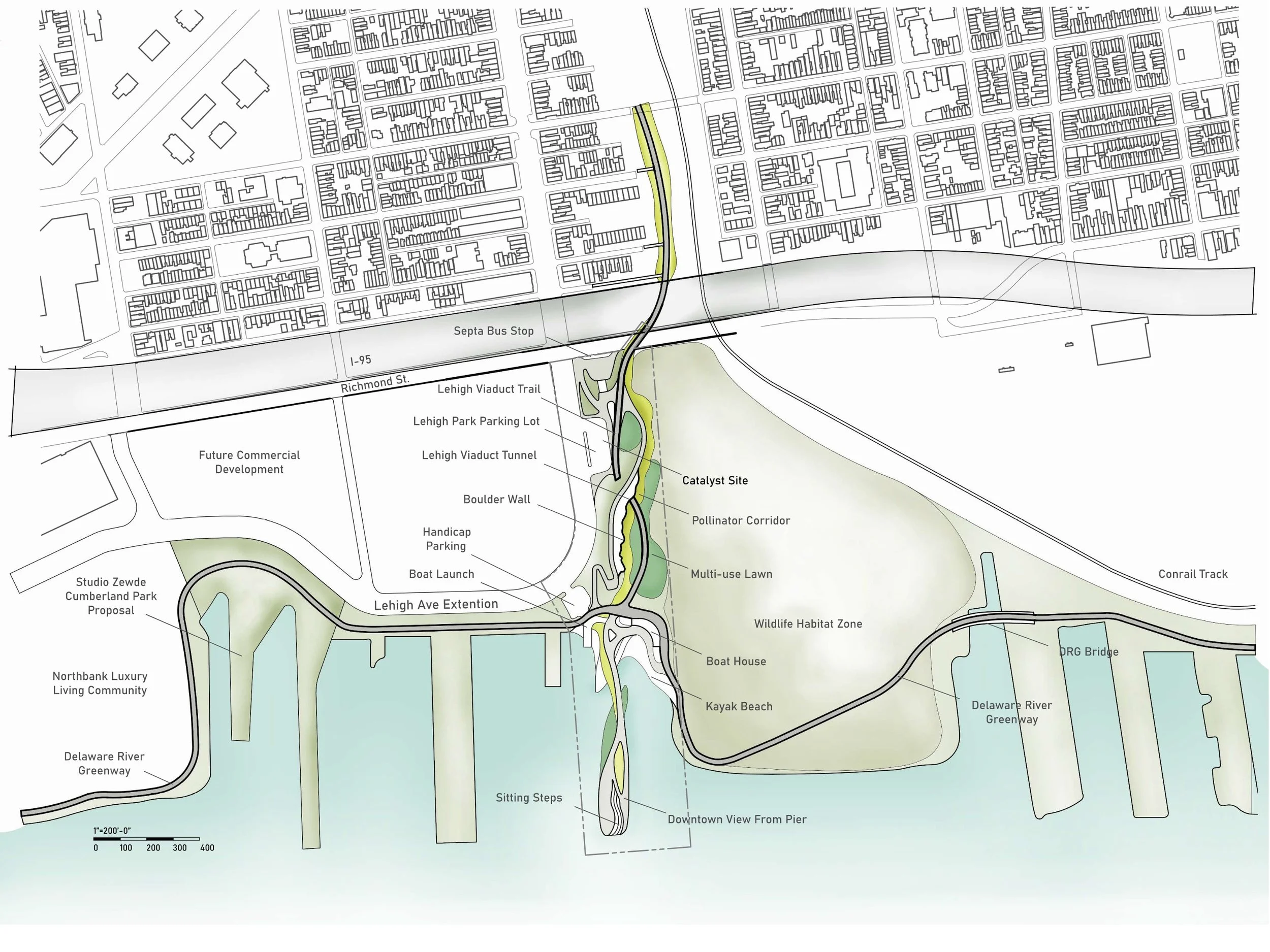
Large Scale Master Plan
The master plan establishes the overall vision for the project, organizing circulation, programming, and landform while responding to architecture, ecology, and long-term use. This step ensures functionality as a cohesive whole rather than a collection of individual elements.
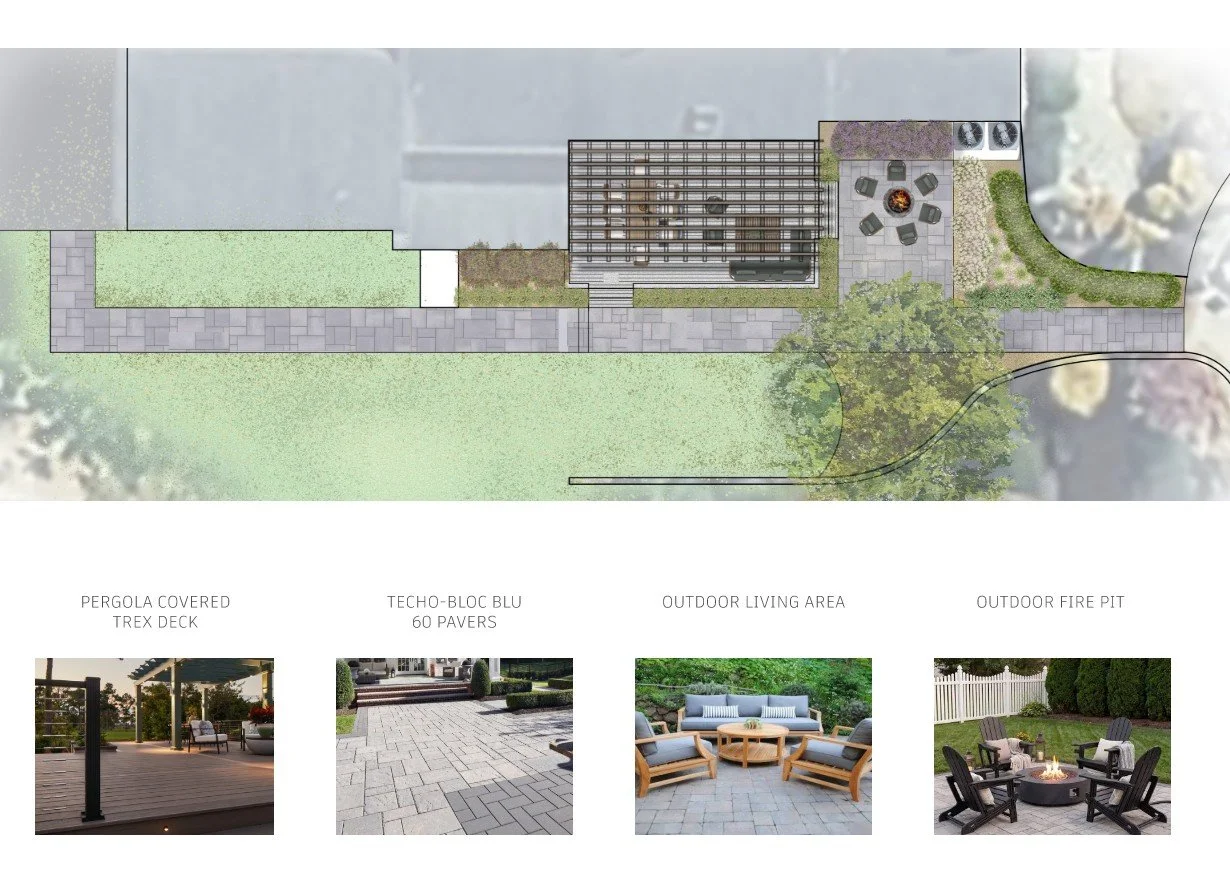
Refined Site Plan
The refined site plan translates the master plan into buildable detail. Materials, and relationships between spaces are carefully developed to support function, durability, and clarity. This phase provides a clear framework for implementation.
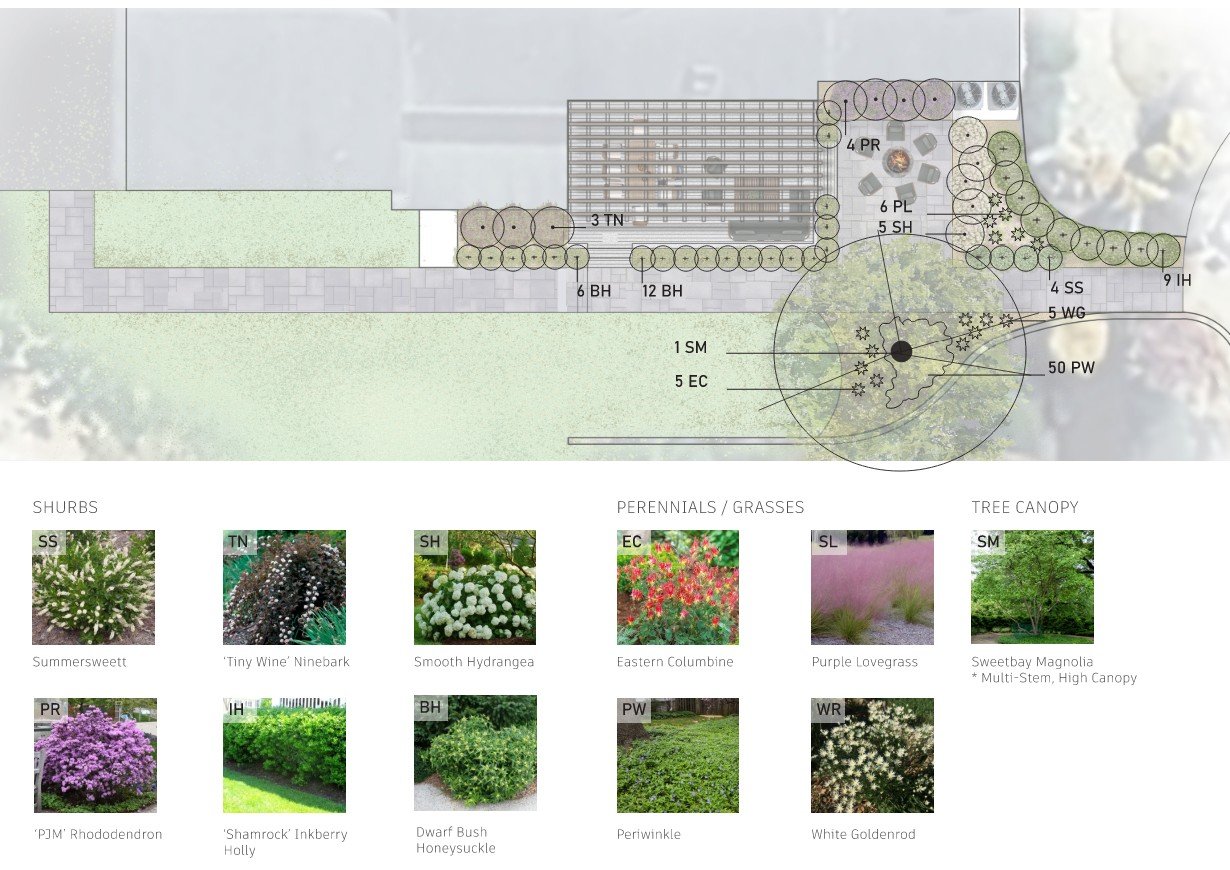
Planting Plan
The planting plan completes the design by establishing a site-specific plant palette. Each selection is chosen to support local ecology, seasonal interest, and long-term health. Planting is used to reinforce structure, soften hard edges, and connect the landscape to its regional context.
The design process is tailored to the scale and complexity of each project.